Overview
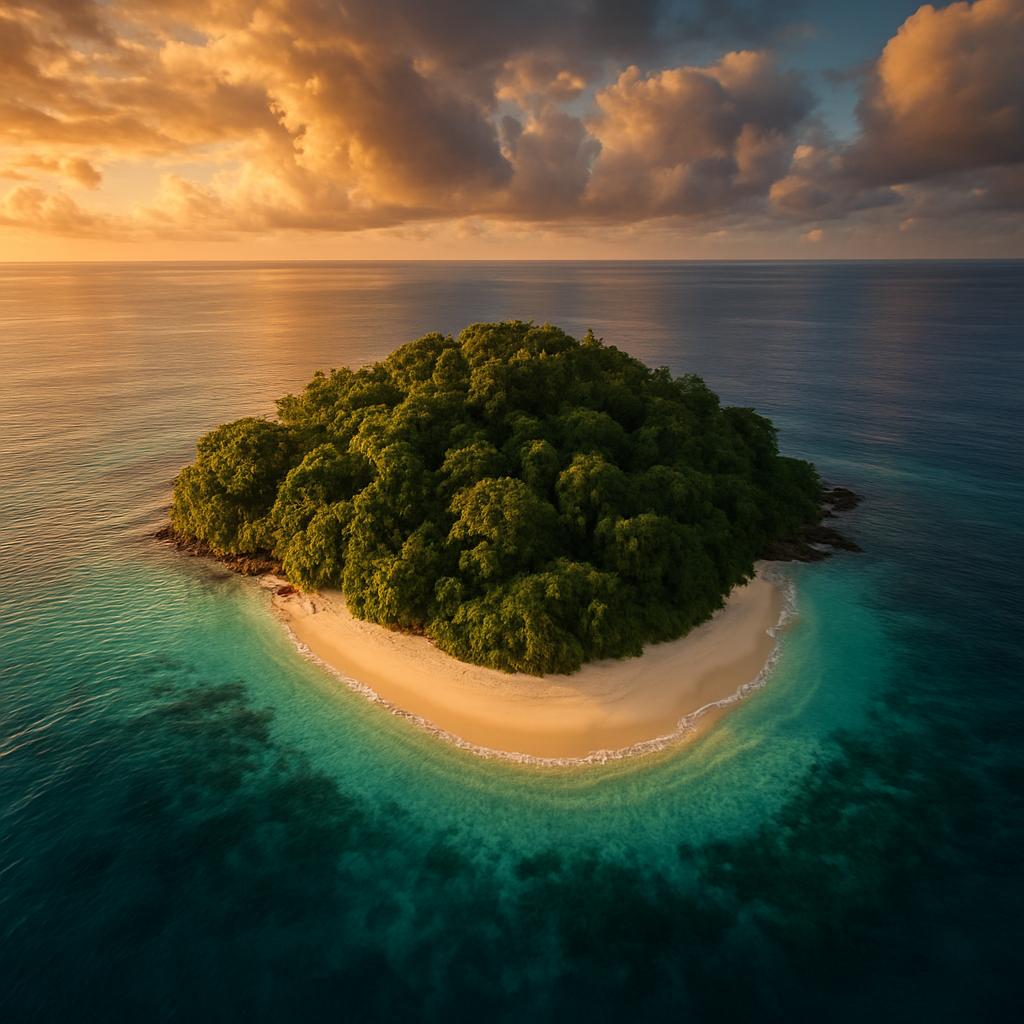
Pulau Tenggol is a small, rugged granite island in the South China Sea, part of the Terengganu Marine Park. Unlike its busier neighbours, Tenggol has stayed quiet and wild — a place where steep forested hills drop straight into deep, clear water.
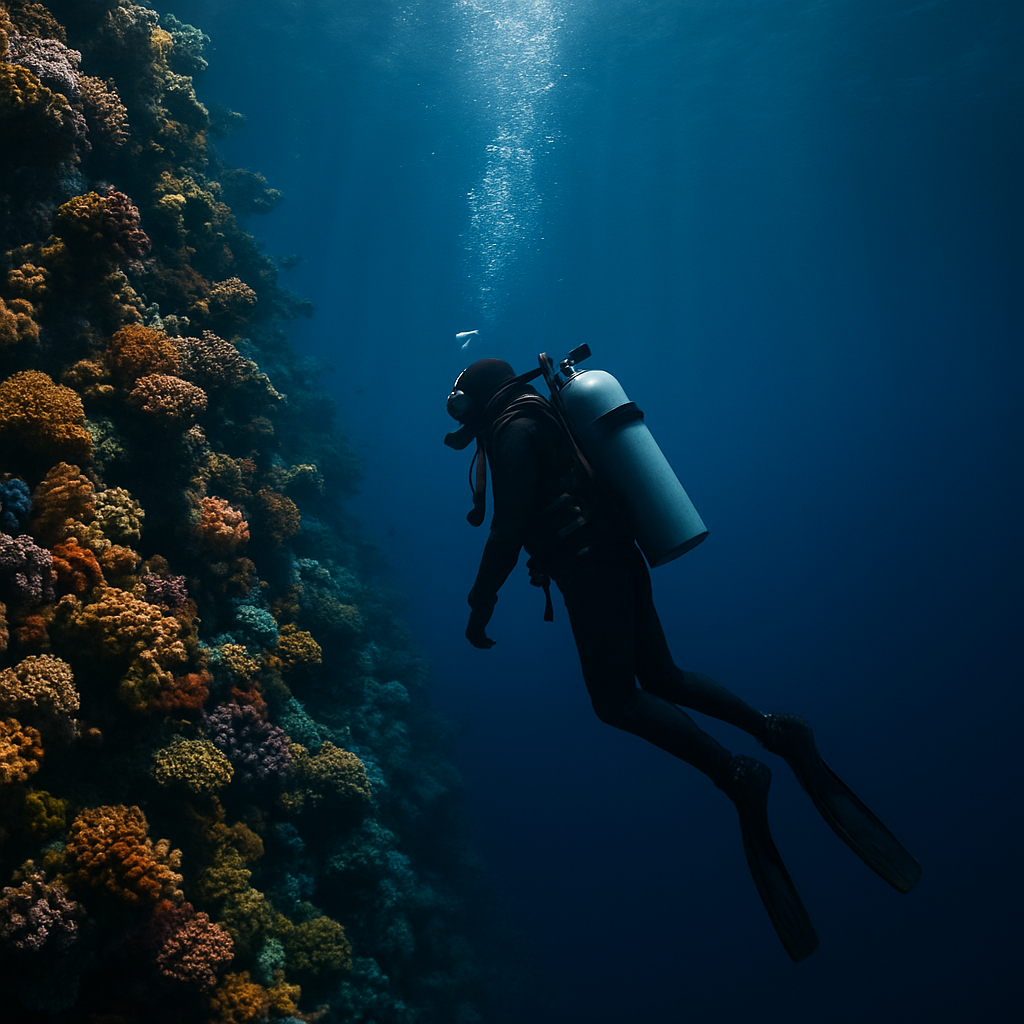
That underwater topography is exactly what draws divers. Within minutes of the shore, reefs fall away into walls and pinnacles, and currents bring nutrient-rich water that feeds an abundance of marine life, from tiny nudibranchs to passing whale sharks.
History
Long before it became a diver's paradise, Pulau Tenggol caught the eye of early naturalists. In 1926, C. Boden Kloss, Director of Museums for the Straits Settlements and Federated Malay States, visited the island during a cruise along the east coast of the Malay Peninsula.
He described it as a charming “little forested island, about 1¼ miles long and nearly 1000 feet high.” At the time, a small number of Malay families had settled on the northeast side, clearing patches of jungle to plant bananas and other fruits.
Kloss and his team were especially excited by the island's wildlife. They collected specimens of a new subspecies of squirrel — Sciurus notatus guillemardi— named in honour of Sir Laurence Guillemard. That same year, the Government trawler “Tongkol” also recorded a notably large Beaked Ray in the surrounding waters.
These early scientific records highlight what still makes Tenggol special today: its untouched forests, rich biodiversity, and healthy marine environment.
Read the Original 1926 Article
“A new Squirrel from Tenggol Island, East coast of the Malay Peninsula” by C. Boden Kloss
Marine Park
Tenggol sits within a protected marine park. Fishing, anchoring on coral, and collecting marine life are restricted, and visitors typically pay a small conservation fee that supports reef protection and monitoring.
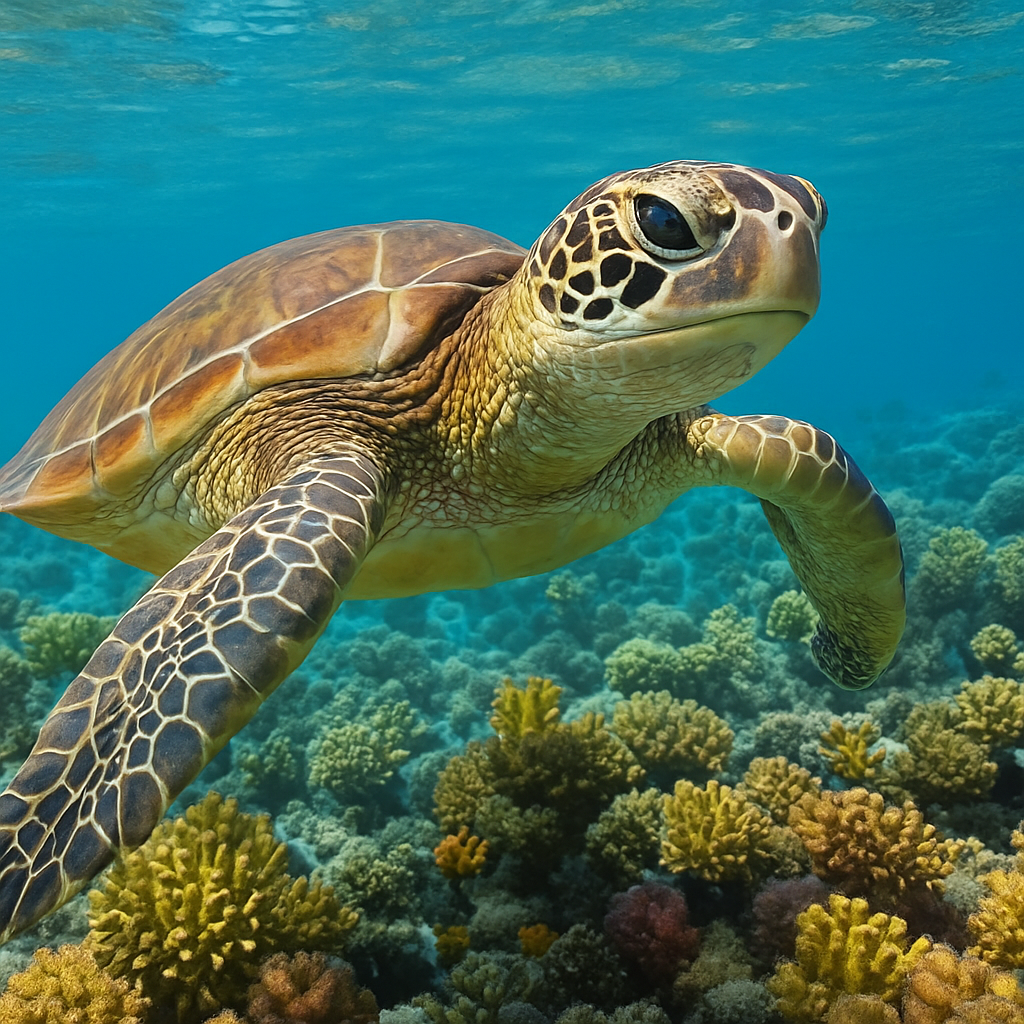
These protections are a major reason the diving here remains so good — healthy hard and soft coral, dense fish schools, and regular turtle sightings.
Diving
Diving is the headline attraction. The island offers more than twenty sites ranging from gentle sloping reefs to dramatic pinnacles like Tokong Laut, suitable for everyone from first-time divers to seasoned wreck and deep enthusiasts.
For a full breakdown of seasons, conditions, certification and a site-by-site directory, read our dedicated Tenggol diving guide.
Snorkelling
You don't need to dive to enjoy Tenggol's underwater world. Sheltered bays hold shallow coral gardens where reef fish, rays and turtles are often visible just below the surface — ideal for families and non-divers. See our snorkelling guide for the best spots.
Marine Life
Green and hawksbill turtles, schooling barracuda and jackfish, reef sharks, colourful nudibranchs and seasonal whale sharks all feature in Tenggol's waters. Our marine life guide covers what you can see and when.
Accommodation
Accommodation on Tenggol is limited and nature-focused — a handful of dive-oriented properties rather than large resorts. Booking ahead is essential, particularly during peak season. Read our neutral where to stay guide.
How to Get There
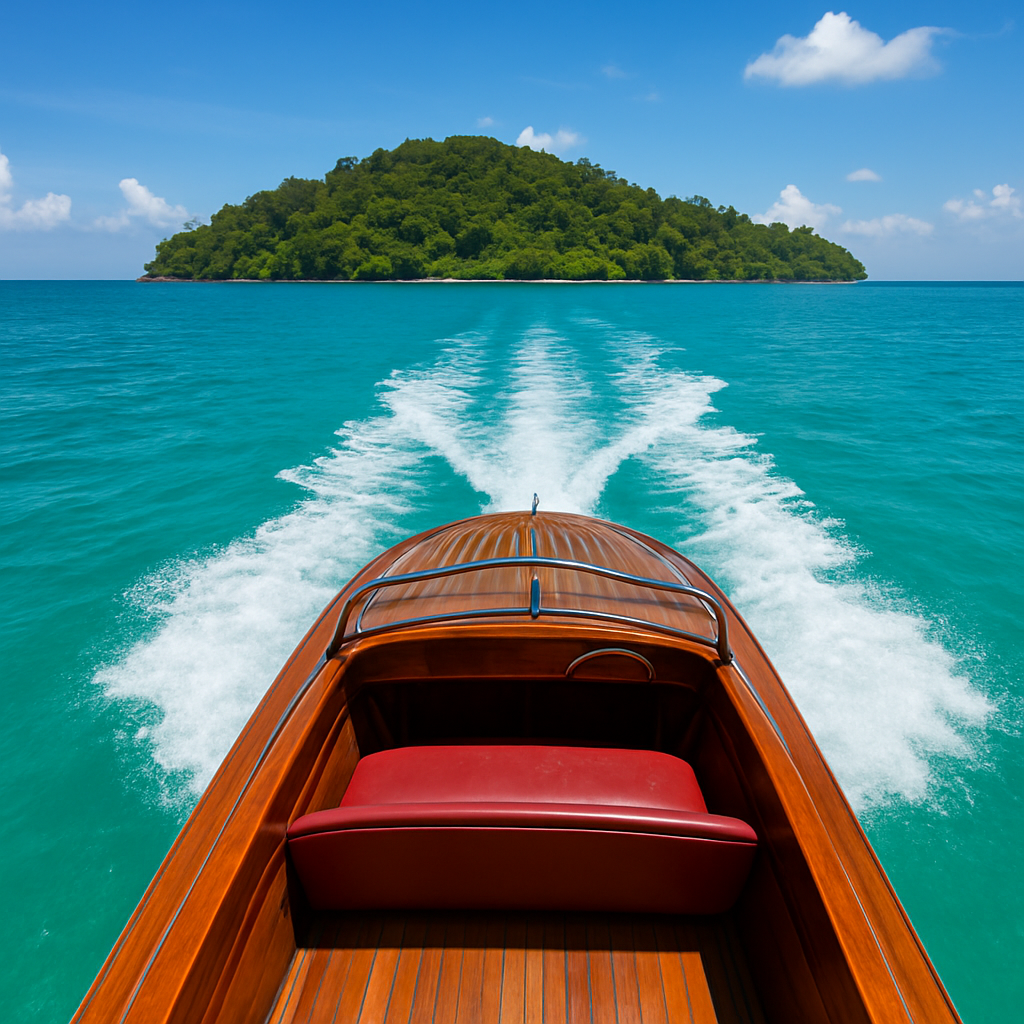
Most visitors travel from Kuala Lumpur to Dungun in Terengganu, then take a boat transfer from the jetty out to the island. The full journey, including the 45-minute crossing, is covered step by step in our travel guide.
Best Time to Visit
The season runs roughly from March to October, with the calmest seas and best visibility typically between April and September. The island largely closes during the northeast monsoon from November to February. See our best time to visit guide for a month-by-month breakdown.
Frequently asked questions
Pulau Tenggol lies about 30 km off the coast of Terengganu in Peninsular Malaysia, reached by a 45-minute boat ride from the jetty at Kuala Dungun.
Yes. Beyond diving, the island offers excellent snorkelling, quiet beaches, jungle-clad hills and calm bays, though it is a nature-focused destination rather than a resort hub.
Most divers stay 2 to 4 nights, which allows time to dive the signature sites such as Tokong Laut while still enjoying the island above water.
Yes. The waters around Tenggol form part of a gazetted marine park, with rules protecting coral, fish, and turtles. A small conservation fee usually applies.